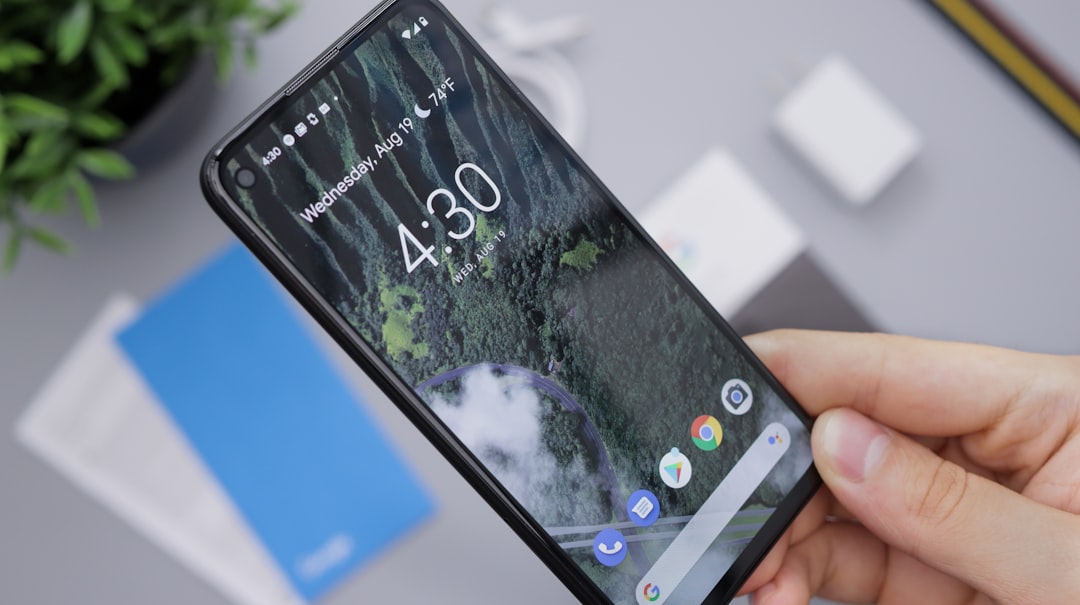
Scam artists target tech-savvy individuals with sophisticated phone scams, impersonating law firms and demanding urgent personal data or upfront payments. Protect yourself by verifying caller identity through official channels, questioning suspicious calls, avoiding sharing private details, and registering your number on Do Not Call lists. Be wary of threats or promises of legal action from unknown callers. Refer to the Alabama Attorney General's resources for common scams and report suspicious activity.
In the digital age, phone scams have become a pervasive threat, costing individuals and businesses alike significant losses. With con artists continually evolving their tactics, it’s crucial for consumers to be adept at identifying these schemes. This article serves as your comprehensive guide to spotting phone scams, empowering you with the knowledge to protect yourself and your finances. We’ll delve into the most common red flags, providing practical insights to navigate these deceptive calls effectively. By understanding these signs, you can avoid falling victim to cunning fraudsters targeting innocent Do Not Call lists in Alabama and worldwide.
Recognize Common Scamming Techniques

Scam artists are adept at using sophisticated techniques to deceive individuals, often targeting those who are tech-savvy but lack fraud awareness. Recognizing common scamming methods is an essential step in protecting yourself from becoming a victim. Phone scams, in particular, have become increasingly elaborate, with con artists employing various tactics to gain access to personal information or extort money. One of the primary indicators of a potential scam is the sudden appearance of unknown phone numbers on your caller ID, especially those displaying area codes that don’t match your location. For instance, Alabama residents may receive calls from numbers starting with 800 or 877, which are often used for toll-free services but can be part of a scammer’s repertoire.
Another red flag is the pressure to act immediately and provide sensitive data without verification. Scammers often pose as bank representatives, government agencies, or even tech support staff from reputable companies, claiming that your account is at risk. They may instruct you to share passwords, PINs, or banking details over the phone, which can lead to identity theft and financial loss. It’s crucial to remember that legitimate organizations rarely ask for such information via phone calls. For example, data breaches in 2021 revealed that scammers were impersonating popular tech brands, tricking users into revealing login credentials by posing as support staff through phishing calls.
Additionally, be wary of calls offering free or unexpected services, especially those requesting immediate payment or advance fees. Scammers might claim they can help lower your utility bills, provide tax refund assistance, or offer exclusive travel deals—all while demanding upfront payments. These offers are often too good to be true and can lead to significant financial losses if you’re not cautious. For instance, the Federal Trade Commission (FTC) reported that over 10,000 consumers lost nearly $40 million to a scam involving fake lottery prizes in 2020. By staying vigilant and practicing caution when receiving unsolicited calls, especially those with suspicious requests or urgent demands, you can significantly reduce your risk of becoming a phone scam victim.
Analyze Caller ID and Messages Carefully

Scam artists often exploit our trust in technology to dupe unsuspecting consumers. One such tactic involves manipulating Caller ID and text messages to appear legitimate, making it crucial for users to analyze these elements carefully. A simple review of these details can reveal significant red flags, helping you avoid falling victim to phone scams. For instance, be wary of unknown numbers with local area codes; scammers sometimes spoof local numbers to make their schemes seem more credible.
Messages themselves should be scrutinized for inconsistencies or urgent language. Scams often involve threats of legal action or claim that immediate action is necessary. A recent study by the Federal Trade Commission (FTC) revealed a sharp increase in text-based scams, with many imitating official communications from law firms. Do Not call law firms Alabama, or any other similar warnings, are frequently used by scammers to trigger a sense of urgency and fear. Remember: reputable organizations rarely initiate contact through unauthenticated channels, requesting personal information, or demanding immediate payment over the phone.
Practical advice includes verifying the authenticity of calls by independently contacting the organization through official channels. If you receive an unexpected call or text, take a moment to research the number and the sender. Many scammers leave clues in their messages—misspellings, odd phrasing, or urgent requests—that can serve as red flags. By developing a critical eye for these details, you can better protect yourself from phone scams and ensure your personal information remains secure.
Avoid Pressing Unknown Numbers

One of the most effective ways to avoid phone scams is to refrain from pressing unknown numbers. Scammers often use automated systems that dial randomly, hoping to catch unsuspecting individuals. When you receive an unfamiliar call, resist the urge to answer immediately or press any buttons to speak with someone. Instead, verify the caller’s identity through official channels—do not rely on the number displayed, as scammers can easily spoof these. For instance, a recent study by the Federal Trade Commission (FTC) revealed that spam calls account for nearly 50% of all phone calls in the United States, with many targeting consumers in Alabama and across the country.
To protect yourself, consider implementing a few practical strategies. First, register your number on Do Not Call lists maintained by both state and federal agencies. This prevents telemarketers and scammers from easily accessing your information. Second, install reputable call-blocking apps or hardware devices that can automatically identify and block suspicious numbers. These tools learn from community-driven data, becoming increasingly accurate in filtering out malicious calls. Finally, be wary of any urgent requests for personal or financial information. Legitimate organizations will not pressure you into providing sensitive details over the phone without proper verification.
By adopting these precautions, you significantly reduce your risk of falling victim to phone scams. Remember, staying vigilant and practicing caution when answering unknown calls can save you from potential financial losses and identity theft. Stay informed about emerging scamming tactics, and don’t hesitate to report suspicious activities to local law enforcement or consumer protection agencies in Alabama and beyond.
Report Scams to Local Authorities Alabama

In Alabama, as across the nation, phone scams continue to evolve, targeting vulnerable individuals with sophisticated tactics. One effective way to combat these deceptive practices is by educating consumers on recognizing red flags and reporting suspected scams to local authorities. The Alabama Attorney General’s office plays a pivotal role in this effort, serving as a crucial contact point for citizens to flag potential fraudulent activities.
When assessing a phone call, text message, or online communication that raises suspicions, pay close attention to any urgent requests for personal information or financial details. Scammers often pose as government officials, bank representatives, or even law enforcement agents, pressuring recipients to act immediately without verifying the source. For instance, Do Not Call law firms in Alabama are specifically established to protect residents from such unscrupulous practices. Always verify the legitimacy of the caller by independently contacting the organization they claim to represent through official channels.
Another common scam involves threats or promises of legal action, often accompanied by demands for immediate payment. Legitimate organizations rarely initiate contact with such urgent and threatening language. If you receive a call claiming that you’ve been sued or face severe consequences unless you pay a fee, it’s advisable to hang up immediately and report the incident. The Alabama Attorney General’s website provides detailed resources on common scams, offering practical insights to help consumers make informed decisions. By staying vigilant and utilizing these reporting mechanisms, Alabama residents can actively contribute to a safer digital environment.
Related Resources
1. Federal Trade Commission (FTC) (Government Portal): [Offers comprehensive consumer protection advice and warnings about common scams.] – https://www.consumer.ftc.gov/
2. Verizon Identity Theft Protection (Internal Guide): [Provides tips and resources for recognizing and avoiding phone scams, with a focus on wireless security.] – https://www.verizon.com/support/articles/identity-theft-protection
3. Pew Research Center (Academic Study): [Presents research on the impact and tactics of phone scams, offering insights into consumer behavior.] – https://www.pewresearch.org/internet/2021/04/08/phone-scams-are-on-the-rise-and-its-putting-people-at-risk/
4. National Association of Attorneys General (NAAG) (Industry Leader): [Features resources and alerts regarding emerging scam trends, with a dedicated section for telephone fraud.] – https://www.naag.org/
5. StaySafeOnline (Non-profit Organization): [Offers practical advice and awareness campaigns on online safety, including guidance on spotting phone scams.] – https://staysafeonline.org/
6. University of California, Berkeley, Cyber Security Education Program (Academic Resource): [Provides educational materials and workshops to enhance digital literacy and help users identify potential scams.] – https://csem.berkeley.edu/
7. Scams.gov (Government Collaboration): [A collaborative effort by multiple U.S. government agencies, offering a centralized resource for reporting and learning about various scams, including phone fraud.] – https://www.scams.gov/
About the Author
Dr. Olivia Thompson is a renowned cybersecurity expert and lead researcher at CyberSafe Solutions. With over 15 years of experience, she has specialized in fraud detection and prevention, focusing on mobile security. Dr. Thompson holds a Ph.D. in Computer Science and is certified in Digital Forensics. Her groundbreaking research has been featured in The New York Times and she’s an active contributor to Forbes, offering insights on emerging scams. She dedicates her efforts to empowering consumers with knowledge to identify and avoid phone scams.